Rails Threading the High Valleys

From century-old rack lines to punctual regional services, mountain rail unlocks door-to-door access with minimal impact and maximum drama through spiraling tunnels, airy viaducts, and riverside windows. We compare scenic expresses with flexible locals, explain reservation quirks, and reveal which side of the carriage frames glaciers best. Expect actionable timing tips, carbon comparisons, and small rituals—like thermos tea at dawn—that transform transfers into cherished parts of the journey.

Scenic Lines Without the Crowds

Skip sold-out panorama cars by riding the same routes on regular services that stop in storybook hamlets and open more windows for photographs. Early departures trade tour buses for birdsong, while shoulder-season light paints peaks softly. Sit left climbing east on the Albula, right crossing Lago Bianco, and always pack a gentle curiosity for conversations with conductors.

Tickets, Passes, and Practicalities

Decide between country passes and point-to-point fares using simple calculators that factor distance, days, and bike carriage fees. Many apps show live carriage layouts, bike icons, and platform changes; download segments for tunnels without signal. Reservations help on named expresses, yet locals remain gloriously spontaneous. Keep digital PDFs handy, but carry a charged battery and patience.

Two Wheels, Many Horizons

Valley cycleways weave between orchards, rivers, and castles, letting you roll farther with the same heartbeat while staying within delicate alpine limits. We explore e-bike options, luggage transfers you power yourself, and gentle climbs that reward curiosity more than cadence. With train-linked trailheads, breezy picnics, and town fountains, cycling becomes connection, not conquest, and still leaves energy for evening strolls.

Where Your Bike Belongs on the Train

Look for the bicycle symbol on carriage doors, then board calmly from the low platform end, lifting the front wheel onto hooks or sliding into foldable spaces. Some routes require reservations; others restrict peak hours. A simple strap tames rotating handlebars, while a soft cloth protects neighboring frames. Thank the conductor, and share space graciously.

E-Bike Etiquette in the High Country

Treat battery power as a courtesy to wind and steepness, not an excuse to churn fragile trails. Stay on signed routes, moderate speed near walkers, and dismount at pinch points. Charge only at approved outlets, ventilate storage, and ask hut staff politely before plugging in. Offer spare maps generously; help travels faster than watts.

Repair and Resilience

Carry a tiny kit: tire plugs, a spare tube sized for your rims, a quick-link, compact pump, and three levers. Add nitrile gloves for chilly roadside fixes. Most stations hide a workshop corner or compressed air; mountain towns host cheerful cooperatives. Practice at home so improvisation feels like play, not panic, when miles matter.

Walking the Quiet Lines on the Map

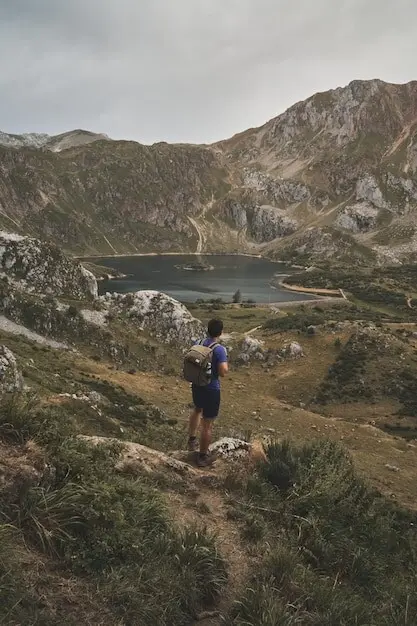
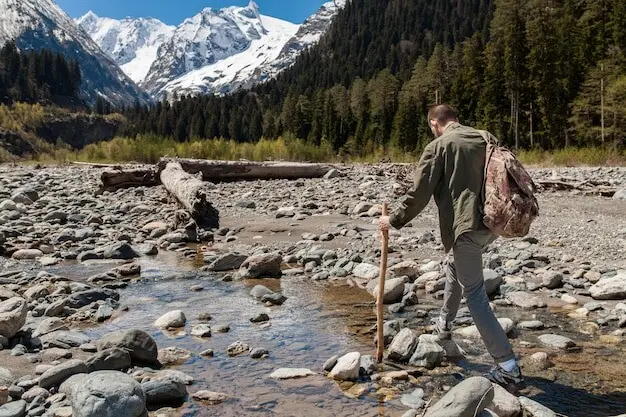
Foot travel slows everything just enough to notice larch needles under boots, cowbells echoing between cliffs, and cloud shadows sliding over scree. We celebrate hut culture, flexible stages, and respectful pacing that keeps knees, friendships, and wildflowers intact. Expect practical notes about booking, water on route, and storms that teach gentle humility without stealing wonder.

Hut-to-Hut Without the Rush

Book dorm beds early for iconic stops, yet design mid-length days that end with time for soup, reading corners, and sunset silhouettes. Carry lightweight sheets; most huts lend blankets and require slippers. Whisper at night, dry gear thoughtfully, and offer to stack wood. Gratitude lubricates shared spaces better than any high-tech fabric ever could.

Navigation When the Markers Fade

Yellow hiking signs time routes in hours, not kilometers, reminding you to think with legs, lungs, and weather. Download offline maps, but never outsource judgment to a blue dot. Observe slope angles, cornices, and gullies; thunder carries messages louder than phones. If clouds close in, shorten the loop, sing softly, and save summits for tomorrow.

Leave No Trace, Alpine Edition

Fragile meadows recover slowly, so stay on durable surfaces and pass muddy sections deliberately rather than widening scars. Pack out tissues and food scraps; marmots deserve mystery, not seasoning. Filter from streams only where permitted, respect restoration fences, and greet shepherds warmly. Your light touch today becomes someone else’s wild memory next year.

Layering That Works at 2,000 Meters

Start with a breathable base, add a light fleece or active insulated midlayer, then seal heat with a windproof shell that also sheds surprise sleet. Gloves and a thin beanie weigh almost nothing yet save mornings. Prioritize bright colors for visibility, and keep a dry camp shirt, because comfort makes humility and patience much easier.

Tiny Tools with Big Impact

A thumb-sized water filter turns hesitation into freedom, while a headlamp with a red mode protects night vision in shared dorms. Add a mini first-aid kit, a few zip ties, duct tape wrapped around a pen, and a compact power bank. Universal adapters plus short cables tame sockets and keep navigation, cameras, and goodwill alive.

Food That Fuels Without Waste

Refill soft flasks at village fountains where permitted, and carry a collapsible cup for hut tea. Pack dense snacks in reusable wraps: nuts, dried apricots, sharp cheese, and dark chocolate that tolerates backpacks. Favor local bakeries over plastic-heavy shops, share portions generously, and bring a tiny spice vial because joy sometimes tastes like cumin.

Small Stays, Big Stories

Choose family-run guesthouses, farm stays, and mountain refuges where breakfast includes names, not numbers. Hosts often share storm lore, cheese-making tips, and shortcuts the internet forgot. Pay fairly, carry cash for remote places, and write heartfelt notes in hut books. Return kindness by washing cups, lowering voices, and recommending them to fellow wanderers.

Words That Open Doors

Learn three greetings—Grüezi, Servus, and Buongiorno—and watch smiles multiply on platforms and porches. Add please and thank you in local tongues, then embrace pauses; alpine conversation loves weather, trails, and cheese more than speed. Mispronunciations invite warmth when paired with eye contact, patience, and a pocket notebook for new phrases shared over strudel.

Eating with Seasons, Riding with Appetite

Plan routes that swing past markets on Wednesdays and Saturdays, then build picnic menus from what smells brightest. Tomatoes ride better than peaches; hard cheese braves heat longer than butter. Celebrate regional plates after rides—polenta, rösti, or kaiserschmarrn—and pace indulgence with an evening stroll, greeting cows and constellations before returning to restful sheets.

Seasons, Safety, and Smarter Footprints

Reading Mountains Like a Forecast

Start each day with three checks: official bulletins, sky behavior, and local advice. Cumulus towers after lunch suggest earlier summits; wind-whittled clouds warn of incoming fronts. Carry layers, microspikes in shoulder months, and a healthy bailout plan. If thunder speaks, listen immediately, descending ridges and avoiding isolated trees, metal frames, and cable car pylons.

Carbon Clarity You Can Feel

A night train to alpine gateways often emits a fraction of a short flight, and combining rail with bikes or hiking slashes onward numbers further. Keep it tactile: track saved kilograms of CO2 alongside kilometers traveled. Celebrate each gentle choice, share calculators and receipts, and invite friends to join, because joy multiplies responsibility effortlessly.

Emergency Basics for Peace of Mind

Store the universal emergency number 112, enable offline maps, and share plans with someone who cares. Pack a whistle and small foil blanket; both weigh almost nothing and calm nerves. Know station names near trailheads, learn simple first aid, and practice calm breathing so clear decisions remain available when the sky negotiates loudly.

Days 1–2: Lakes, Vineyards, and Golden Passes

Arrive in Montreux by night train, stroll the quay, and warm up along the flat Rhône cycleway. Next morning, board the GoldenPass to Gstaad, then spin an easy loop through the Simmental, grazing on cherries and fountains. Sleep in a farmhouse room, listening to swifts and freight wagons whispering toward glaciers you will soon greet.

Days 3–4: Valleys by Pedal, Heights by Foot

Ride to Interlaken on backroads, then switch to the rack railway up to Wengen, trading gears for views. Hike the balcony path to Mürren, sip soup at a hut, and descend by funicular. The next day, circle Lauterbrunnen’s waterfalls on foot, practicing unhurried noticing and refilling bottles at cheerful brass spigots beside gardens.
Kentonexolumazunodaxipentoteli
Privacy Overview

This website uses cookies so that we can provide you with the best user experience possible. Cookie information is stored in your browser and performs functions such as recognising you when you return to our website and helping our team to understand which sections of the website you find most interesting and useful.