Reading the High Country

Above the tree line, the landscape speaks in gusts, textures, and subtle shadows across snow and rock. Learning to read those signals turns guesswork into grounded decisions. We explore cloud signatures, spindrift flags, sastrugi orientation, and cornice fractures, pairing them with your internal dashboard—breath, warmth, and calm. Add your observations in the comments so others can compare notes across ranges and seasons, strengthening collective wisdom one careful report at a time.

Sky Signs and Micro‑Forecasting

A mountain day can swing from serene to serious within an hour, so your eyes must become a roaming barometer. Lenticular stacks, rapidly building cumulus, and veering winds hint at approaching fronts long before alerts appear. Track temperature trends, measure wind by spindrift height, and set decision checkpoints tied to objective cues. Post your quick-read tricks and favorite resources to help partners everywhere refine their preemptive calls.

Snowpack, Scree, and Slab Underfoot

Your feet learn truths your ego may ignore. Hollow drum sounds, collapsing crust, and shooting cracks warn of slab instability; shifting scree and loosened freeze-thaw blocks demand guarded footing. Probe suspect areas, mind aspect and time of day, and keep honest notes on what your soles are telling you. Share a near-miss you learned from, offering practical clues others can apply before the slope starts speaking too loudly.

Systems That Bring You Back Safe

Safety above the tree line is not luck; it is layered preparation executed with calm consistency. From redundancy in lighting and insulation to communication protocols and contingency caches, we build systems that remove drama from predictable challenges. We ground every checklist in field realities—frozen zippers, low batteries, and brittle buckles—to keep you moving when minor failures threaten momentum. Contribute your favorite kit tweaks and pre-departure rituals to help others dial their margins.

Deliberate Pace, Durable Energy

Speed without sustainability unravels above the tree line. We refine step patterns, breathing cadence, and micro-rests to smooth exertion and guard decision quality under stress. Strategic fueling replaces sugar spikes with steady clarity, while hydration routines consider cold-induced diuresis and altitude dryness. Group pacing respects the slowest hiker without resentment. Add your favorite tempo cues and snack rotations to help others find a rhythm that lasts from trailhead to tailgate.

Attention, Awe, and Composure on the Ridge

Noticing Without Panic, Responding Without Delay

Mindfulness is not passivity; it is rapid relevance. Train yourself to register sensations—sting of wind, squeak of snow, twinge in calves—without catastrophizing or ignoring. Label, prioritize, act, then re‑assess. Use brief grounding exercises to stop spirals before choices shrink. Tell us about a moment when calm noticing changed your plan just soon enough, turning a looming problem into a modest detour you now teach to partners.

Rituals That Reset Nerves Before Crux Moves

Before a committing step, build a repeatable micro‑routine: confirm three points of contact, exhale fully, check rope or axe orientation, then visualize the next two movements. Rituals automate safety when stress scrambles finesse. Keep them short, portable, and practiced. Share the reset routines that have traveled well across routes and seasons, so others can adapt a calming script that keeps their hands honest when exposure makes voices loud.

Debriefs, Gratitude, and Memory That Teaches

Learning deepens when stories breathe. After each outing, capture three decisions you are proud of, one you would change, and one moment of awe that reminded you why you climb. Thank partners for specific contributions, not generic courage. Archive conditions, timings, nutrition, and morale alongside photos. Post a debrief template or reflection prompt below, helping this community translate fleeting ridgelines into durable knowledge that protects tomorrow’s ambitions.

Navigation When Landmarks Vanish

High basins and broad ridges can disorient even seasoned hikers when fog drops or snow erases contrast. We blend analog and digital tools, leaning on preplanned bearings, backstops, and handrails while respecting battery, satellite limitations, and cognitive overload. Practiced habits—frequent small checks instead of rare big corrections—keep drift manageable. Contribute your whiteout drills and mapping layers so route-finding remains a craft, not a coin toss, when visibility thins.

Map and Compass Fluency That Sticks

True fluency survives stress. Set bearings with gloves, box declination without thinking, and confirm contour stories with what your eyes report. Triangulate casually during lunch so skills live outside emergencies. Mark attack points, catching features, and bailout lines before leaving the car. Share bite-sized training games you run on fair-weather days, ensuring classic tools remain crisp when electronics sulk and cloudbanks turn horizons into blank slates.

GPS as Partner, Not Crutch

Download offline maps, build conservative waypoints, and use track recording sparingly to conserve power. Treat the screen as a second opinion that must agree with terrain clues and compass truth. Pack a lightweight battery, manage screen time in cold, and protect devices from shock. Post your favorite layering of map sources and waypoint naming conventions, helping others make digital aids enhance, not replace, embodied navigation awareness.

Whiteout Lines, Handrails, and Backstops
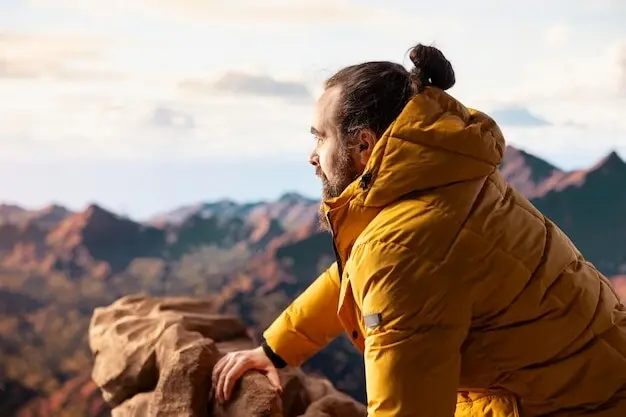
In flat light, set short bearing legs between unmistakable features—ribs, gullies, or moraine edges—and pace count to confirm progress. Use rope spacing or ski pole alignment to hold a group line. Establish backstops where a safe boundary halts drift. Debrief mistakes as data, not blame. Share a whiteout story with the exact adjustments you made, so practical tactics spread faster than fog on cold plateaus.

Camps, Breaks, and Footprints That Heal Fast
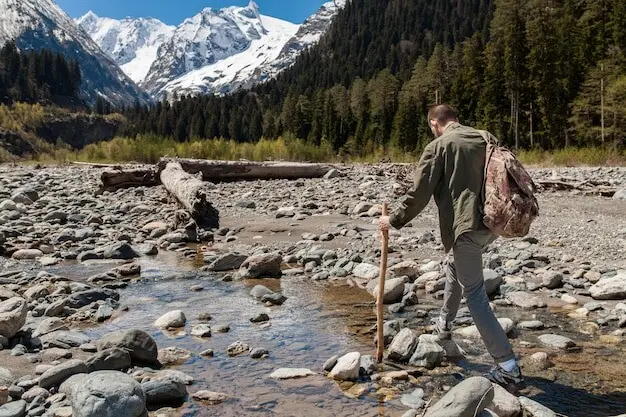
Pitch on durable rock, snow, or gravel, never on cushiony tundra that recovers slowly. Keep groups small, breaks brief, and cooking tidy to deter food-conditioned wildlife. Scatter rest stops, avoid shortcut scars, and step on stones when crossing delicate mats. Post your minimal-impact systems—stove choices, sanitation setups, and windbreak tactics—so every visit leaves fewer fingerprints on places that give us priceless horizons and quiet, silver-toned mornings.

Respect for Wildlife, Rangers, and Rescuers

Give goats and ptarmigan respectful distance, store food with intention, and honor seasonal closures without clever loopholes. Check conditions with local rangers and study rescue guidelines before needing them. Carry the gear that makes self-rescue plausible and assistance efficient. Share a positive interaction that deepened your understanding of local stewardship, encouraging a wider culture that partners with, rather than pressures, the living systems and people who protect high places.
Kentonexolumazunodaxipentoteli
Privacy Overview

This website uses cookies so that we can provide you with the best user experience possible. Cookie information is stored in your browser and performs functions such as recognising you when you return to our website and helping our team to understand which sections of the website you find most interesting and useful.